

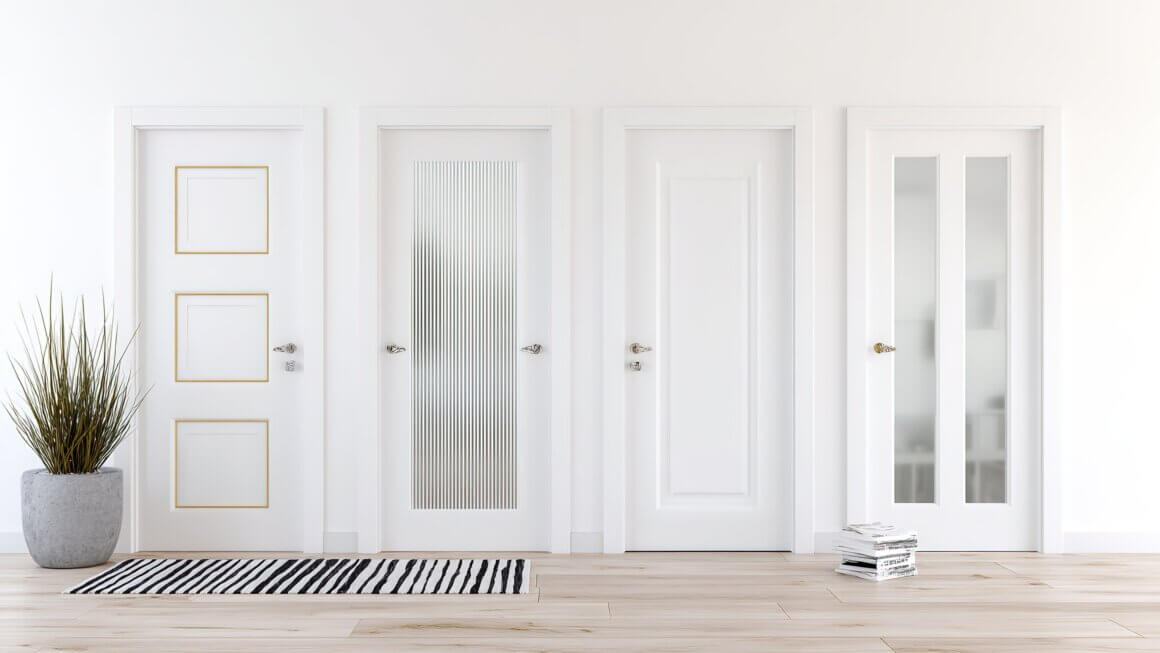
When you’re specifying internal doors across an entire property or multiple plots, the challenge isn’t just choosing a good-looking door style. It’s making sure everything works together, with matching glazed and solid doors being a big contributing factor for a more harmonious look throughout your home.
That becomes especially important when you introduce a mix of glazed doors and solid doors.
Used well, this combination can really transform how a space feels. It improves light flow, leans into spatial transitions and adds subtle design variation without losing consistency. Used poorly and it can make a scheme feel disjointed, as though different decisions were made in isolation.
So how do you strike the right balance?
In this guide, we’ll look at how to match glazed and solid internal doors across a home in a way that feels intentional, practical and commercially sound, while complementing the home’s architectural style at the same time.
Should you mix glazed and solid internal doors?
Yes, absolutely! Most homes benefit from a mix of glazed and solid internal doors. The key is to choose designs that match or complement each other and work well with the door furniture you choose. Matching doors help create a more joined up and aesthetically pleasing space, it makes sure the overall interior design remains consistent and intentional too.
Why Mixing Glazed and Solid Doors Matters
In most real-world projects, you will never specify just one type of door.
You’ll need:
- Privacy in bedrooms and bathrooms
- Light flow in hallways and shared spaces
- Compliance in fire-rated areas
- Flexibility across layouts
That naturally leads to a mix of glazed and solid interior doors, whether that be double doors, bifolding room dividers or just regular single leaf doors.
The key is making that mix feel like part of a single, well-considered scheme rather than a series of unrelated decisions.
When done properly, combining glazed and solid doors can:
- Improve natural light throughout the property
- Create better visual connections between spaces
- Make smaller or darker layouts feel more open
- Maintain privacy where it’s needed
But the real value comes when the doors match so it’s clear they’re part of the same design language.
Start With One Core Door Range
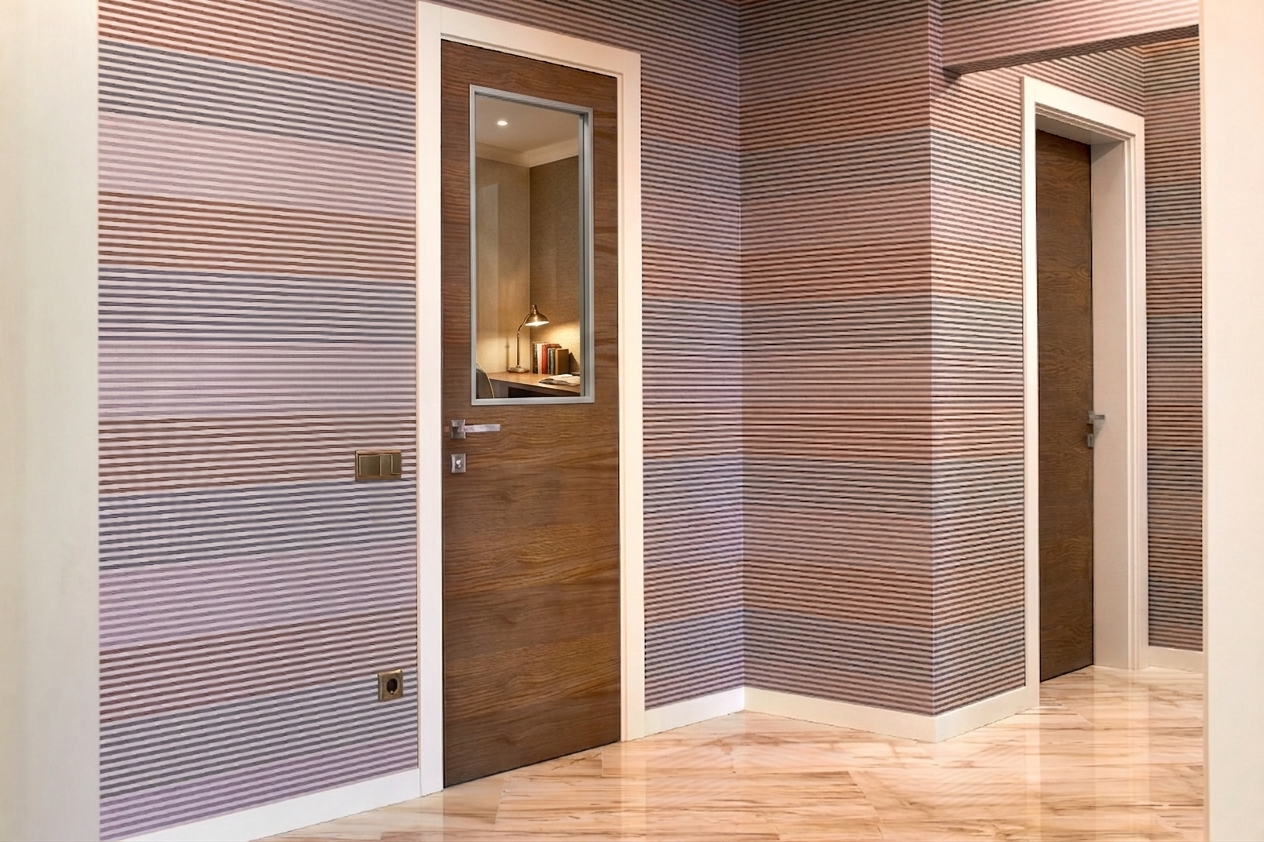
The simplest and most effective way to ensure consistency is to start with choosing one door style that offers both solid and glazed options.
This avoids one of the most common mistakes in larger projects… trying to “pair” doors from different ranges after the fact.
Even if two doors look similar in isolation, subtle differences in panel proportions, glazing placement, moulding detail and finish tone can become very noticeable when installed across multiple rooms.
A well-designed range solves this upfront by offering:
- Identical panel layouts between solid and glazed versions
- Consistent rail and stile proportions
- Matching finishes and textures
This gives you variation within a controlled system, which is exactly what you want at scale.
We dig deeper in to this with our article on how to choose a door range for whole-home and multi-plot projects, if you want to learn more.
Understand Where Glazed Doors Add the Most Value
Glazed doors aren’t just a design feature, they’re a functional tool. With a wide range of glazing options available for internal glazed doors (such as full-length glass panels, decorative or frosted glass for privacy and various placements of glazing), homeowners and specifiers can be extremely flexible in how they improve the flow of natural light as they also consider soundproofing, privacy and how to achieve the overall look they’re going for.
In larger properties or multi-plot developments, they’re particularly useful for solving common layout challenges.
They work best in areas where you want to:
- Pull light deeper into the property
- Reduce the feeling of an enclosed space
- Maintain separation without blocking visibility
Typical placements include:
- Hallway to living room connections
- Kitchen to dining areas
- Home offices
- Landings with limited natural light
In these locations, a glazed door can make a noticeable difference to how the space feels, especially in narrower or deeper floorplans.
Where should glazed internal doors be used?
Glazed internal doors are best used in areas where you want to improve light flow, such as corridors, kitchens, living rooms and home offices, as they can really elevate and modernise your living space by increasing the perceived openness. They’re less commonly used in bedrooms and bathrooms where privacy is a priority.
Keep Privacy and Function in Mind
While glazed doors can improve a space, they are not suitable everywhere.
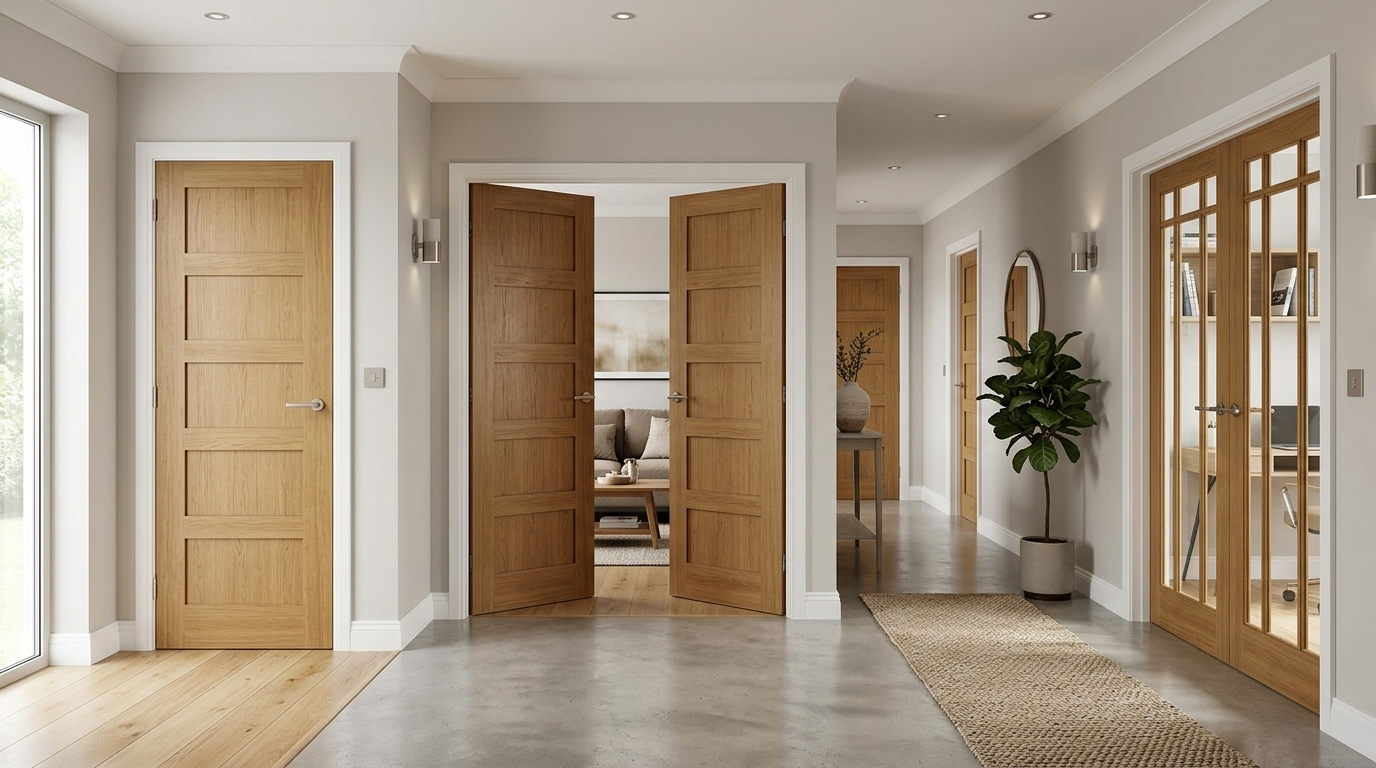
Bedrooms, bathrooms and some utility areas, such as walk in cupboards and pantries, generally need more privacy and acoustic separation. In these spaces, solid doors tend to be the better option.
This is where matching becomes crucial.
If your solid doors and glazed doors are clearly from the same range, the transition between private and shared spaces feels seamless. If they’re not, the difference becomes much more obvious and often not in a good way.
The goal is not to make every door identical. It is to make every door feel like it belongs.
Pay Attention to Glazing Style and Proportion
Not all glass doors behave the same way visually. What works in a contemporary house may not work in a more traditional home and vice versa. Lean into the home’s personality.
Some glass door styles have large, open glass panels with clean lines that maximise light, which works well in modern homes, while others use smaller panes or decorative glazing for a more traditional feel. Frosted or patterned glass are popular glazing options that nicely balance privacy and natural light, adding both aesthetic appeal and a practical low maintenance solution.
When matching glazed and solid doors, look closely at how the glazing relates to the panel layout, whether the proportions feel balanced and how much visual weight the glazing introduces. Glass panels play a key role in both the look and functionality of the door, influencing light transmission and privacy.
For example:
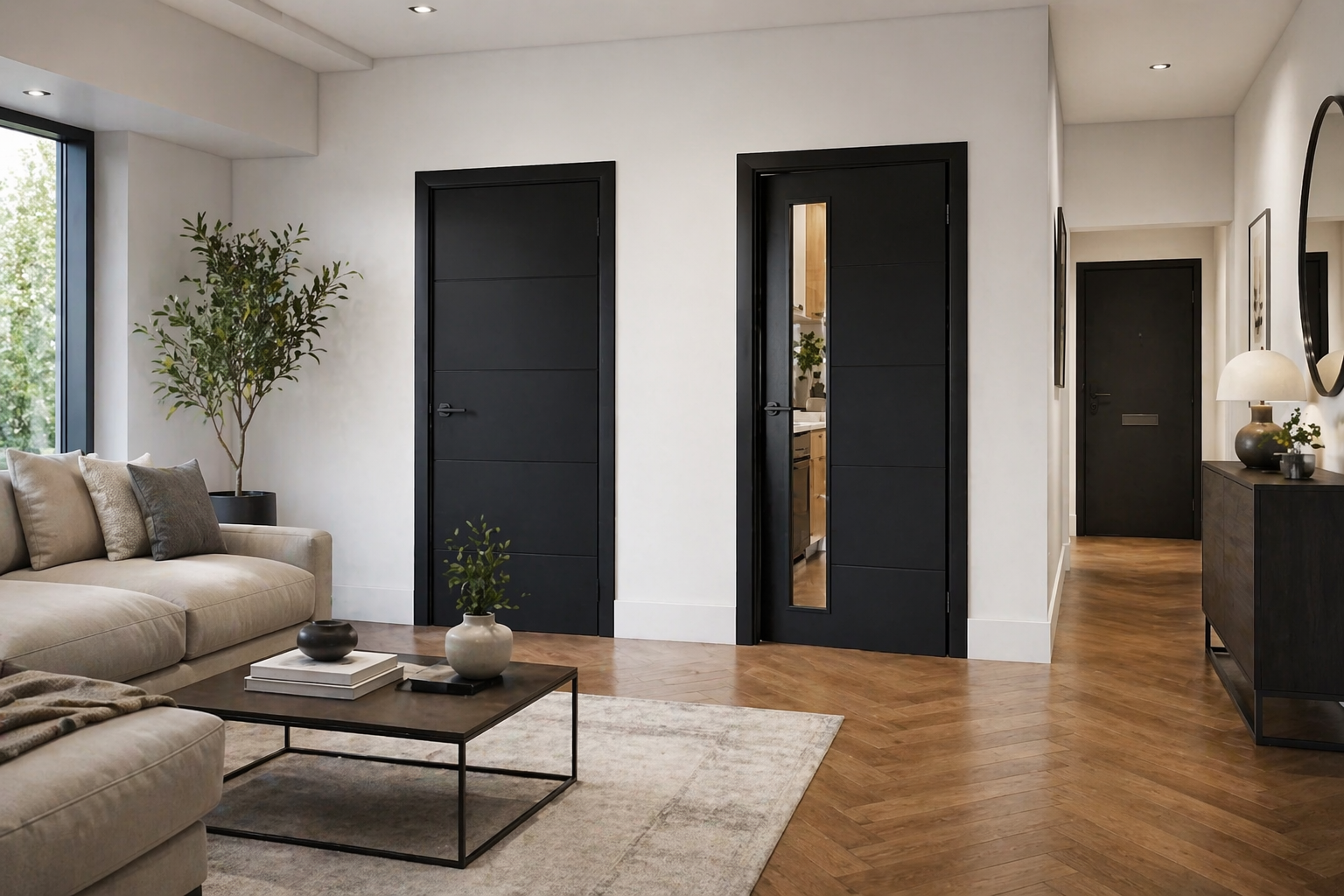
- A fully glazed upper panel can feel more contemporary and open
- Multi-pane or heritage glazed doors introduce more structure and suit traditional interiors
- Recessed or partially glazed panels can offer a good middle ground
The key is that the glazed version should feel like a natural evolution of the solid design, not a completely different idea.
Do glazed doors make a room feel bigger?
Yes, definitely! Glazed doors can make a room feel much larger by allowing light to pass through as it creates a visual connection between spaces. This is particularly effective in smaller homes or spaces with limited natural light.
Be Consistent in Finish and Material
One of the quickest ways to undermine a door scheme is inconsistent finishes.
This is especially important when mixing glazed and solid doors, as the contrast between different doors and how they’re constructed and finished can make inconsistencies more noticeable.
To keep everything aligned:
- Stick to the same colour and wood finish across the range (e.g. prefinished oak, white primed, black painted)
- Make sure glazing details match the overall tone of the door (clear, frosted, reeded etc)
- Avoid mixing too many unrelated finishes within the same property
For multi-plot developments, this becomes even more critical. Consistency across units helps reinforce quality to a buyer and also makes the specification phase easier to manage and repeat.
Think About Sightlines and Repetition
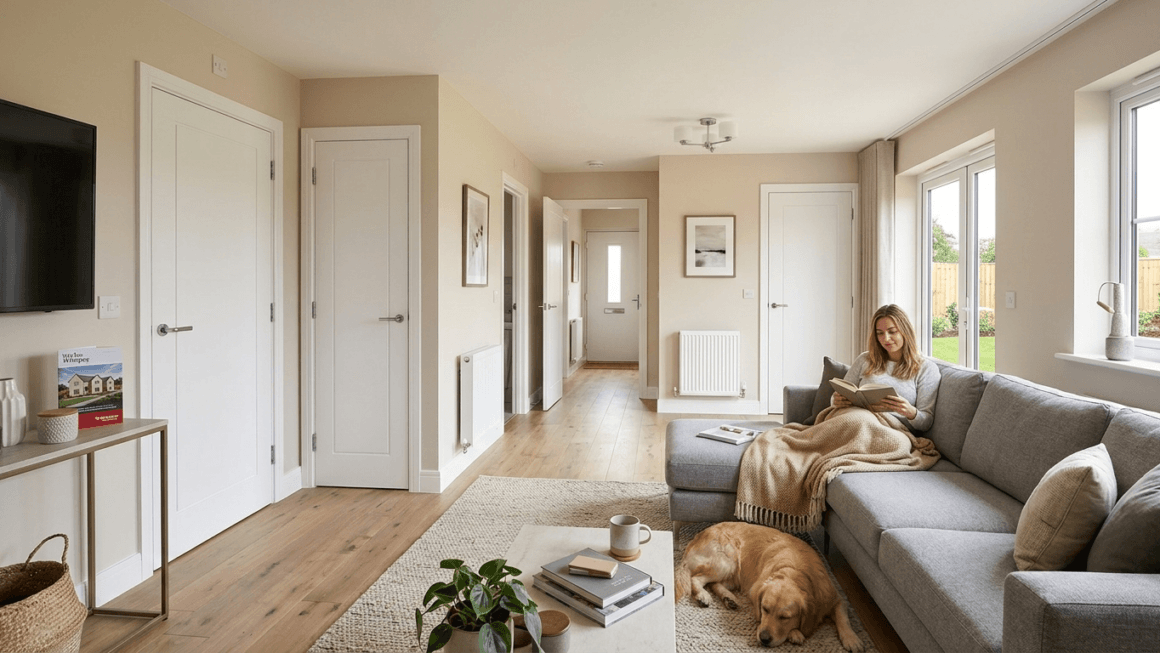
In larger properties, you rarely see doors in isolation.
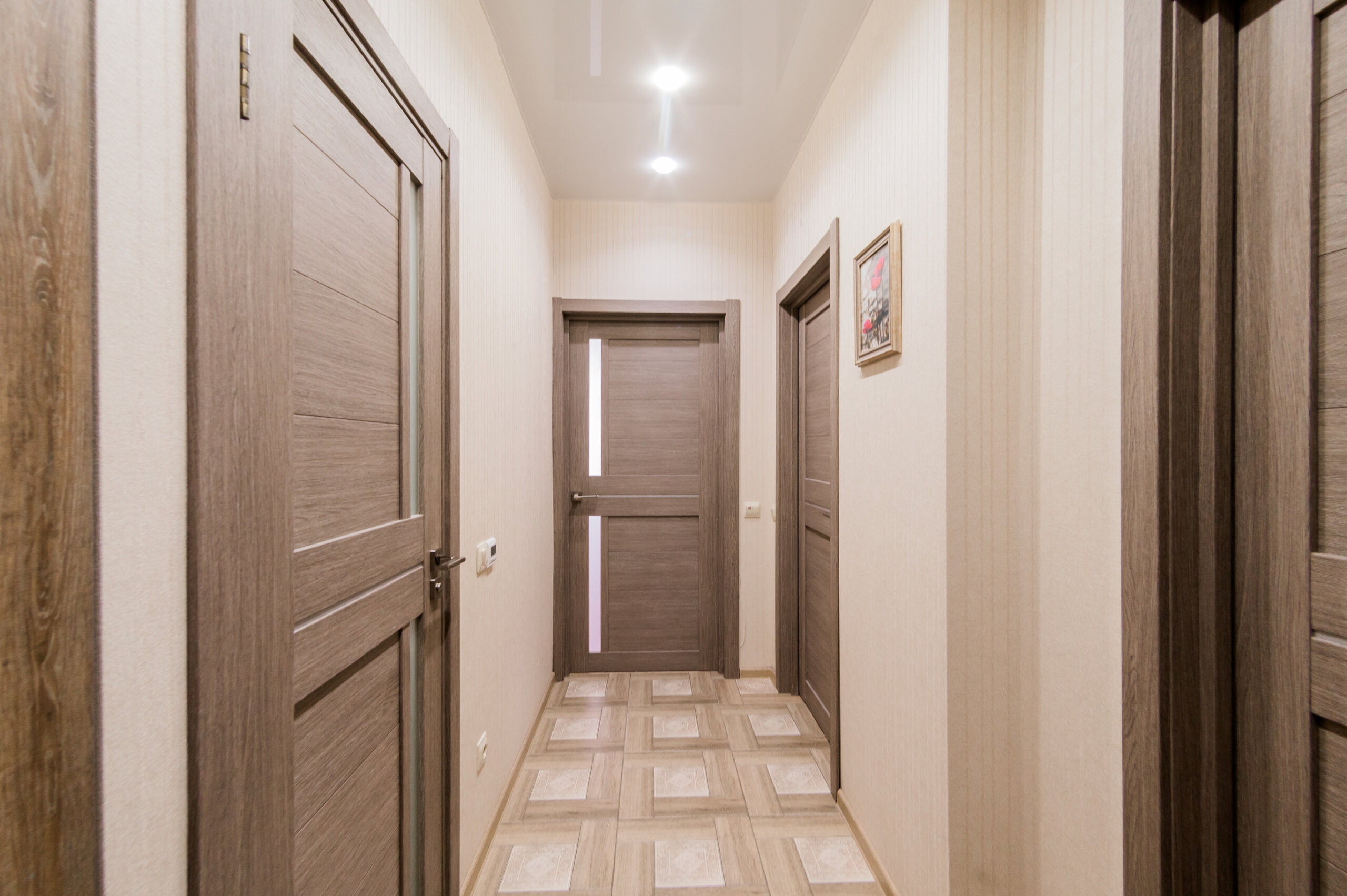
You see them down hallways, across open-plan spaces and going from one room into another.
This means the relationship between glazed and solid doors often plays out in direct sightlines.
For example:
- A glazed door at the end of a hallway can draw light through the space
- A solid door adjacent to it should feel like part of the same visual system
- Repeating similar designs across floors helps keep continuity
This is where matching becomes more than a design detail, it becomes part of how the property is experienced as well as meeting practical needs.
Should internal doors be the same throughout a house?
Internal doors don’t need to be identical, but they should usually be consistent in style and finish. Using a matching range with both glazed and solid options is one of the easiest ways to achieve this.
Plan For Fire Doors Early
On many larger projects, some internal doors will need to be fire-rated to be legally compliant with UK building regulations.
This often includes:
- Doors along protected escape routes
- Internal garage access points
- Certain conversion or HMO layouts
If internal fire doors aren’t considered early, they can really disrupt the design later, particularly if the fire-rated options don’tt match the rest of the doors. The great thing is that many fire doors these days are available in both glazed and solid options, so you’re able to follow the same design specification process with them as you would standard doors.
Choosing a door range that includes matching fire-rated glazed doors and solid doors allows you to keep that visual flow, meet compliance requirements and it’ll avoid any need for last-minute substitutions. It also simplifies the specification process, especially across multiple plots, which can be a really big deal when time costs money.
Balance Design Ambition With Commercial Reality
For developers and renovation leads, every design decision sits alongside a commercial one and choosing new doors is no exception. One of the big questions will always be… Is this cost effective?
And while they may cost more initially, glazed doors can add perceived value by improving light, creating a feeling of openness while fostering a more premium feel too. But they also need to be used in a way that appeals to a broad audience. Being durable and stylish means nothing if the buyer doesn’t like them and their first thought is to wonder how much they cost to replace.
The most successful schemes tend to:
- Use glazed doors selectively rather than everywhere
- Combine them with solid doors for balance
- Avoid overly niche or decorative glazing styles unless the project specifically calls for it
This approach keeps the property feeling design-led without limiting its appeal.
Do glazed internal doors add value to a property?
Glazed internal doors don’t necessarily increase the value of a property as a product, but they can add value by improving natural light, increasing the sense of space and creating a more premium, considered interior, particularly when used thoughtfully within a consistent design scheme.
Customisation options such as different colours, textures and glass designs can further increase the appeal and visual harmony of a home. This allows you to tailor doors to you or your clients preferred style while still keeping function, security and energy efficiency needs at the forefront.
A Simple Approach to Getting It Right
If you are trying to build a cohesive door scheme across a property, a simple framework can help:
- Start with a strong core range: Choose a design that offers both solid and glazed options in various sizes.
- Use glazed doors with purpose: Focus on areas where they genuinely improve light and flow.
- Keep finishes consistent: Avoid mixing unrelated finishes, colours or materials.
- Think about the full property, not individual rooms: Look at how doors relate to each other across sightlines.
- Plan for fire doors early: Make sure compliance doesn’t compromise design later.
- Quality matters: Durability and low maintenance need to be a priority, choose materials and finishes that will complement the daily life of the homeowner.
Get those six things right and the overall scheme tends to fall right into place.
Making Internal Doors Work Smarter
Matching glazed and solid doors is not about making everything identical. It is about creating a system that allows variation without losing that cohesion.
For design-conscious specifiers, that is where the real value lies.
A well-matched door scheme can improve how a property feels by supporting the flow of light and space, which will bolster perceived quality for a homeowner/buyer and it can really simplify specification at scale, too.
Choosing matching glazed and solid doors across an entire project with purpose and thought not only helps the finished space feel complete, but also brings a sense of refinement with it. Not because every detail stands out, but because nothing feels out of place.