

When specifying internal doors for a development, the question is rarely as simple as “which one looks nicest?”
For developers, specifiers, architects and design-led renovators, internal doors sit at the meeting point between design, practicality and commercial appeal. They need to work with the wider interior scheme, suit the target buyer or tenant, remain practical across multiple rooms or plots and still feel right once the property is furnished, lived in and viewed in real life.
That is where the neutral vs statement door debate becomes interesting.
Neutral doors are often seen as the safe choice. Statement internal doors are often seen as the bold choice. But in development terms, it is not really about safe versus brave. It is about control, context and understanding where a door should quietly support the design and where it can do more of the talking.
A neutral internal door can make a scheme feel calm, consistent and easy to personalise. A statement door can create impact, define a style direction and help a property feel more memorable. Both can work beautifully. Both can go wrong if they are used without a clear specification strategy.
So, what works best in developments? The honest answer is: it depends on the property, the buyer, the level of finish and how much visual risk the scheme can carry.
Let’s break it down.
Why Internal Door Style Matters in Developments
Internal doors are one of the most repeated design features in a property. They appear in hallways, bedrooms, bathrooms, kitchens, living spaces, cupboards, utility rooms and, in some cases, shared or transitional areas.
That repetition gives them real influence.
A single door choice might not feel dramatic on its own, but multiplied across a whole home, apartment block or multi-plot development, it can shape the entire interior rhythm. The wrong choice can make a property feel disjointed, dated or overly specific. The right choice can help everything feel considered, consistent and built around the same design language.
For developers, internal doors also affect perceived value. Buyers may not always comment directly on door construction, finish or detailing during a viewing, but they will notice whether the home feels well put together. Doors contribute to that impression every time someone moves from one space to another.
This is why door style should not be left until the very end of the specification process. It deserves a place alongside flooring, skirting, ironmongery, glazing, wall colours and kitchen finishes.

What do we mean by neutral doors?
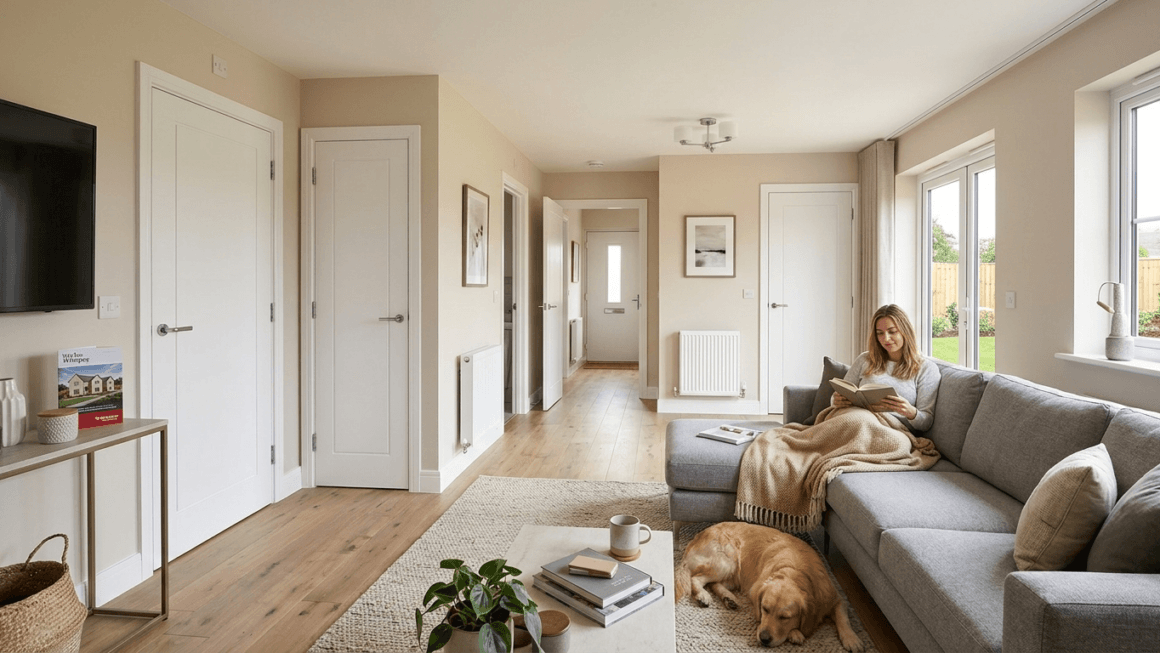
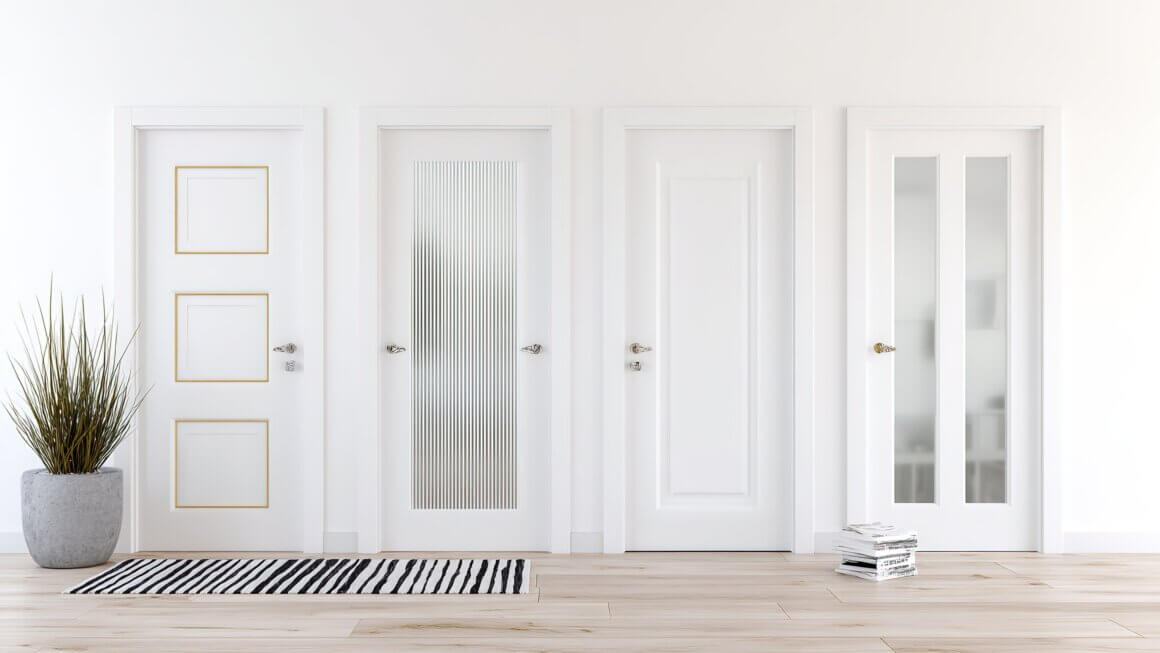
Neutral internal doors are doors that sit comfortably within a wide range of interior schemes. They are usually chosen to support the space rather than dominate it.
This might include white doors, light oak doors, subtle shaker-style doors, flush doors, primed doors painted in soft tones or simple panelled designs. They often have clean lines, familiar proportions and broad appeal.
But neutral does not mean bland. That is an important distinction.
A good neutral door still has design value. It might bring warmth through timber grain, softness through simple mouldings or crispness through a clean white finish. It simply does not demand attention in the same way a black, dark-stained, heavily glazed or unusually detailed door might.
Neutral doors tend to work well in developments because they give buyers room to imagine their own furniture, colour schemes and lifestyle in the property. They make the space easier to style, easier to stage and easier to sell to a wider audience.
What do we mean by statement doors?
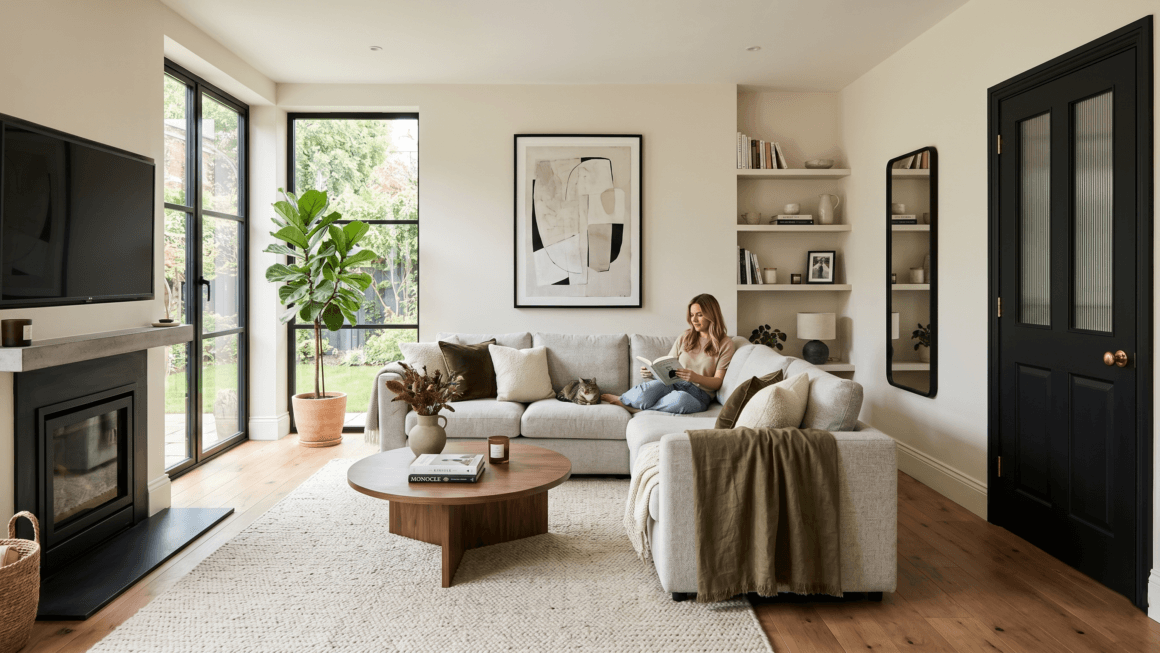
Statement internal doors are chosen to create a stronger visual. They might use a bolder colour, darker finish, more distinctive glazing, contemporary detailing, strong contrast or a design that becomes part of the property’s personality.
Examples might include black internal doors, walnut doors, dark grey doors, industrial-style glazed doors, bold panel designs or feature doors used in key locations.
A statement door can make a property feel more designed and less generic. It can help define a premium scheme, add drama to a hallway or bring a strong architectural feel to a development.
However, statement doors also carry more risk. If the style is too trend-led, too dominant or poorly matched to the rest of the interior, it can narrow the buyer pool or date the property more quickly.
In development work, a statement door should earn its place. It needs to add something meaningful to the scheme, not simply shout from every doorway wearing a velvet blazer and demanding applause.
The Case for Neutral Internal Doors in Developments
Neutral doors are popular in developments for good reason. They are versatile, commercially sensible and easier to repeat across multiple rooms or plots.
For developers working at scale, this matters. A neutral internal door range can usually be used across bedrooms, bathrooms, cupboards, living spaces and circulation areas without the scheme feeling heavy or overdesigned.
Neutral doors are especially useful when the property needs to appeal to a broad buyer group, too. First-time buyers, families, landlords, downsizers and investors may all have different tastes, but a well-chosen neutral door rarely becomes a barrier.
White doors, for example, can make interiors feel brighter and cleaner, particularly in smaller homes or apartments. Oak doors can add warmth and quality without pushing the design too far in one direction. Simple shaker-style doors can feel contemporary or classic depending on the surrounding finishes.
Neutral doors also tend to make staging easier. Furniture, artwork, wall colours and accessories can be changed without fighting against the door design. For show homes, this flexibility can be a quiet gift.
From a maintenance perspective, neutral doors can also be practical. If a painted or pre-finished white door needs touching up or replacing, the visual match may be easier to manage than with a more distinctive or unusual finish. For multi-plot developments, that can simplify future aftercare.
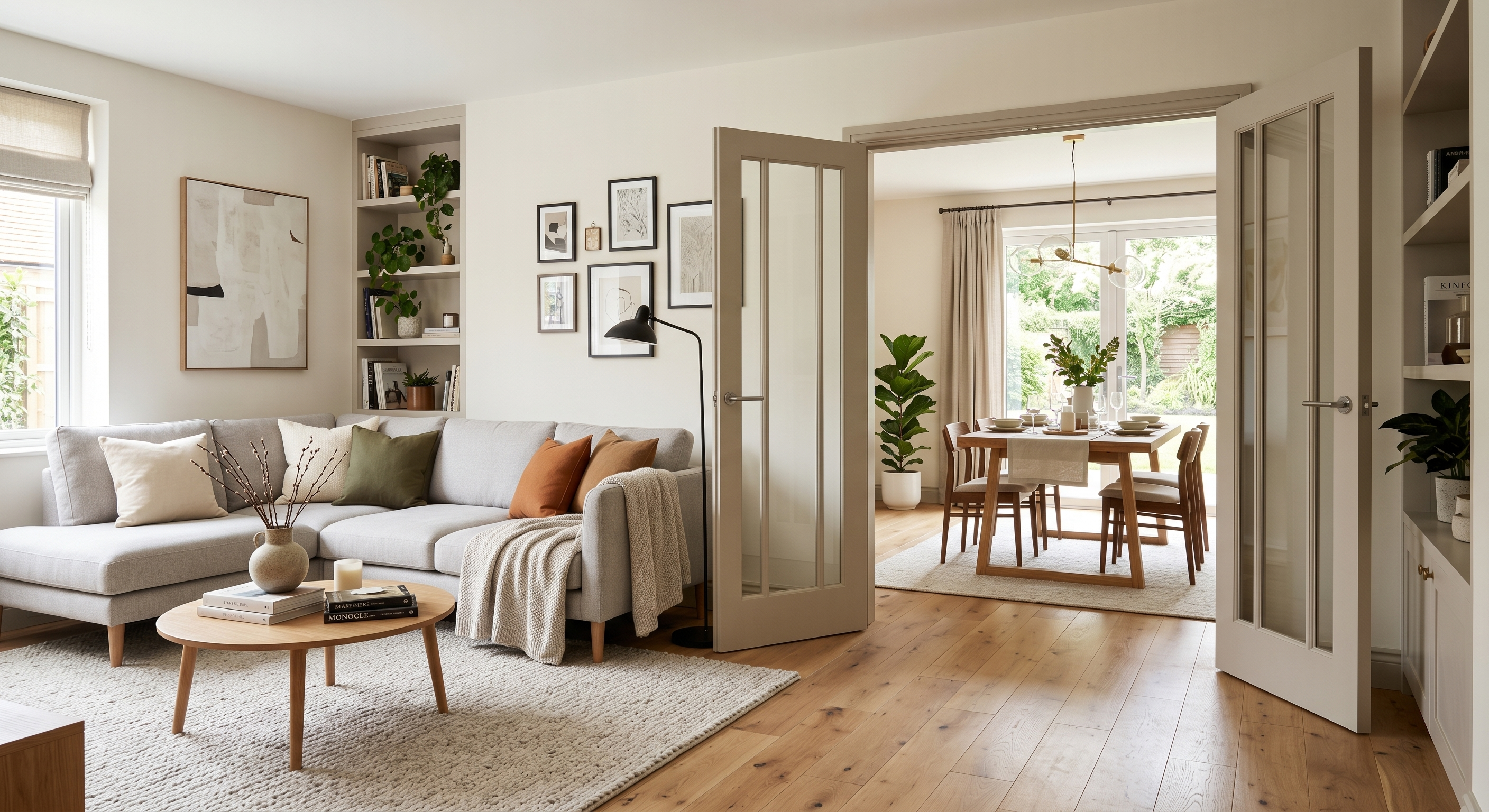
Where Neutral Doors Work Best
Neutral internal doors are often the best option for whole-home consistency. They work particularly well in developments where the doors are there to support a clean, marketable interior rather than become a feature in themselves.
They are a strong choice for:
- – Compact apartments where brightness and simplicity matter
- – Family homes where broad appeal is important
- – Rental properties where durability and easy maintenance are priorities
- – Multi-plot developments requiring repeatable specification
- – Show homes that need to feel aspirational but not overly personal
- – Developments where kitchens, bathrooms or flooring already provide the main design impact
Neutral doors can also be useful in properties with limited natural light. White or pale-toned internal doors can help a space feel less enclosed, especially when paired with glazed options in the same range.
That said, neutral does not need to mean identical everywhere. Developers can still vary the specification by using solid doors for private spaces and glazed versions of the same design for kitchens, lounges or darker hallways. This keeps the scheme consistent while allowing each door to do the right job.
The Case for Statement Internal Doors in Developments
Statement doors can be extremely effective when used with care.
In the right development, they can help create a stronger brand identity, elevate the perceived finish and make a property stand out in a competitive market. They can also support a more design-conscious buyer profile, particularly in boutique developments, high-end renovations or urban apartments.
A statement door works best when it feels connected to the wider scheme. A black internal door might look fantastic alongside pale walls, black-framed glazing, contemporary handles and a crisp kitchen palette. A walnut door can bring richness to a premium apartment or townhouse. A large glazed door can turn a living space entrance into a feature while improving light flow.
Statement doors are also useful in specific locations. You don’t always need to use them throughout a property. Sometimes one or two carefully chosen feature doors can provide the impact without overwhelming the entire scheme.
For example, a glazed black-framed style door between a hallway and kitchen diner can make a strong first impression, while calmer neutral doors are used elsewhere. This approach gives the property personality, but still protects wider buyer appeal.
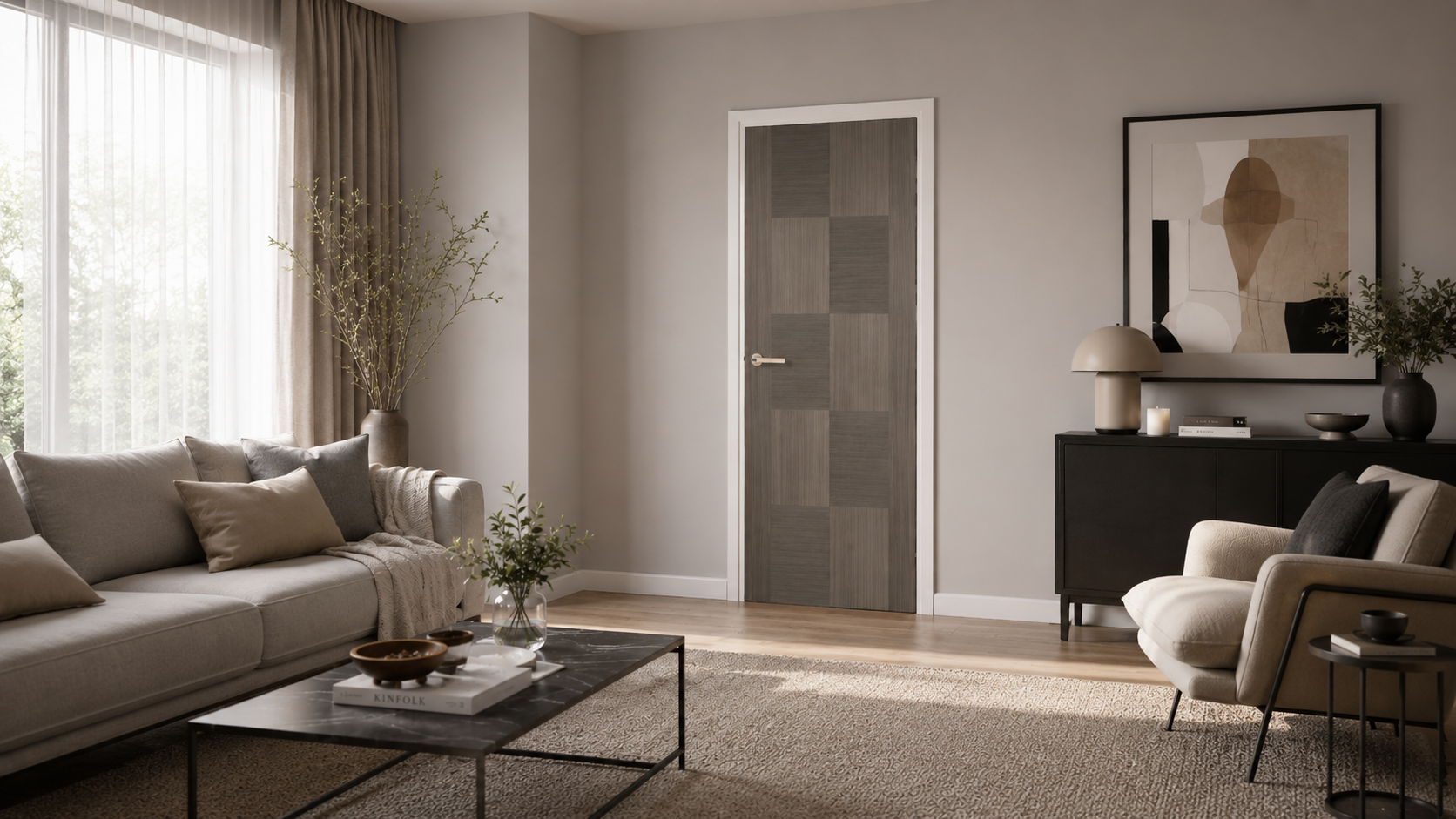
Do statement doors put buyers off?
There’s no denying statement doors can divide opinion if they are too bold or too trend-led. However, when they suit the property and target buyer, they can make a home feel more memorable and better designed. The key is to use them strategically and ensure they support the wider interior scheme.
Where Statement Doors Work Best
Statement doors tend to work best when the development has a clear design direction and a target buyer who will appreciate stronger interior choices.
They can be a good fit for:
- – Boutique residential schemes
- – High-end refurbishments
- – Design-led apartments
- – Urban developments with a contemporary finish
- – Period conversions where contrast is part of the design concept
- – Show homes where a memorable first impression matters
- – Key transition spaces such as hallways, living rooms and kitchen diners
The key is restraint. A statement door used in the right location can feel confident and thoughtful. A statement door used everywhere can quickly become tiring, particularly if the rest of the property is already visually busy.
Developers should also think about how the door will look once the property is furnished. A black door in an empty show home may look dramatic and premium. In a small furnished bedroom with darker flooring and limited natural light, it may feel too heavy. Context is everything.
Buyer Appeal: Safe, Memorable or Polarising?
One of the biggest considerations for developers is buyer appeal.
Neutral doors tend to be safer because they leave more room for personalisation. They help buyers imagine their own style in the property, which can be useful when selling to a broad market.
Statement doors can make a property more memorable, but they can also become more subjective. Some buyers may love them. Others may see them as something they would need to change.
That doesn’t mean developers should avoid statement doors. It simply means they should be used where they add commercial value, not just visual drama.
A useful way to think about it is this:
- – Neutral doors reduce design risk.
- – Statement doors increase design impact.
- – The right specification balances both.
For a wide-market housing development, neutral doors may be the more sensible foundation. For a premium conversion or design-led apartment scheme, a stronger door choice may help justify the overall positioning.
The question is not “will everyone love this door?” because that is a dangerous little rabbit hole. The better question is “does this door support the expectations of the target buyer?”
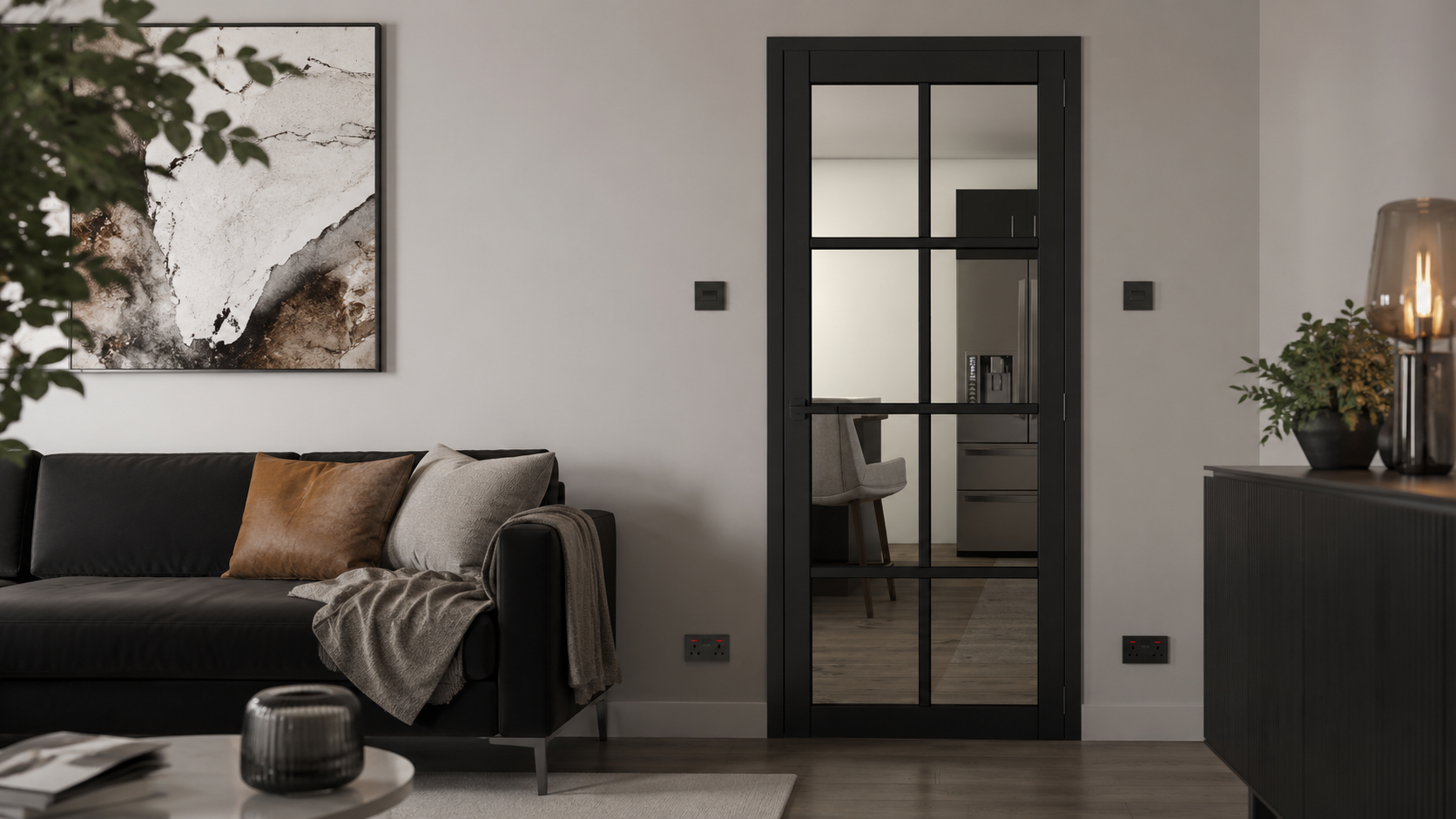
How Door Colour Affects the Feel of a Development
Door colour can change how a property feels.
White internal doors tend to make spaces feel brighter, cleaner and more open. They are especially effective in smaller homes, apartments and darker hallways.
The unique grain pattern of oak internal doors is great for adding warmth and texture with a more classic look. They can help a new-build property feel less stark and can soften contemporary interiors nicely. Quality natural oak doors add a premium edge and can be a nice middle ground when you want to keep things neutral but also want to add another visual layer to the property.
A great example of this is a project we worked on recently where warm, earthy tones were the order of the day. We were very fortunate to be chosen as the supplier of pre-finished oak doors for an exclusive multi-plot development project in Harrogate and we think the results speak for themselves.
Grey internal doors can feel modern and understated, although the exact tone matters. A soft grey can feel calm and flexible, while a darker grey becomes more of a feature.
Black internal doors create contrast and architectural impact. They can work beautifully in contemporary schemes, but they need enough light and the right surrounding finishes to avoid feeling too heavy.
Walnut or darker timber doors can feel premium and grown up, particularly in larger properties or high-end apartments. However, they are usually more specific in style and may not suit every market.
When specifying door colour at scale, developers should always look at the whole palette. Doors should be considered alongside flooring, wall colour, skirting, architraves, stair finishes, kitchen cabinetry and ironmongery.
A door colour that looks strong in isolation may feel less successful once it is repeated eight, ten or twelve times across a property.
What colour internal doors are best for new developments?
White, oak and soft neutral doors are always popular for new developments because they are versatile and easy to style. Black, walnut or dark grey doors can work well in more design-led schemes, but they need to be balanced with lighting, flooring and wall colours.
Solid, glazed or a mixture?
The neutral vs statement question is not only about colour or finish. Glazing can also shift a door from quiet background feature to design statement.
Solid doors are typically better for privacy, bedrooms, bathrooms, utility rooms and areas where noise control matters. They create a stronger sense of separation and are usually the default choice for private rooms.
Glazed internal doors are useful where light flow and connection are priorities. They work well between hallways and kitchens, living spaces and dining rooms, home offices and circulation areas. In developments where natural light is a key selling point, glazed doors can help make the most of it.
A mixed approach is often the smartest option. Developers can specify a consistent door style across the property, using solid versions for private rooms and glazed versions for shared or transitional spaces.
This gives the development cohesion while allowing the doors to respond to each room’s needs.
For example, a white shaker-style solid door could be used for bedrooms and bathrooms, with a matching glazed door between the hallway and kitchen diner. An oak door range could offer the same benefit, keeping the warmth of the material consistent while varying the level of light and privacy.
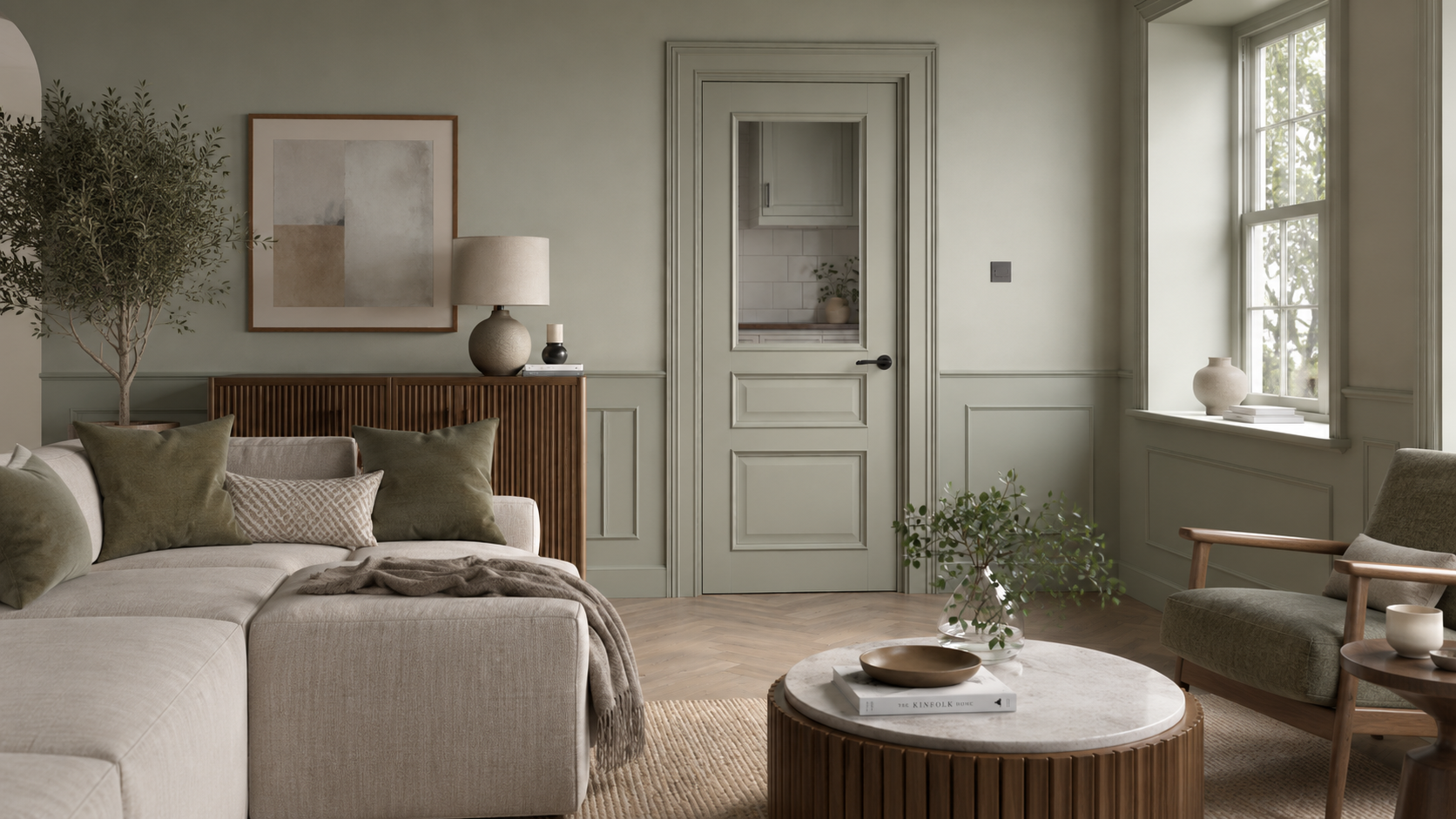
Fire Doors and Statement Design
For developments, fire doors are a practical and regulatory consideration that must be addressed early.
In some locations, such as apartment entrances, certain escape routes, integral garage access or specific conversion layouts, fire-rated doors may be needed. The exact requirements depend on the property type, layout and relevant Building Regulations, so the project team should always confirm this as part of the wider fire strategy.
From a design perspective, the important point is that fire doors need to fit the scheme. If the chosen door style is only available as a standard internal door, but not as a matching fire door, the project may end up with an awkward design mismatch later.
This is particularly important when choosing statement doors. A bold door style may look excellent in standard form, but if there is no suitable fire-rated version available, it could create problems in the specification.
Neutral ranges often have broader availability across standard, glazed and FD30 options, although this depends on the supplier and product. Developers should check this before committing to a full scheme.
A good specification should identify early which locations need fire doors, then choose a range that can support both performance and the visuals.
Cost, Availability and Specification Control
Cost is always part of the conversation, but it should not be viewed in isolation.
Neutral doors may be more cost-effective on larger developments because they are often easier to source, easier to repeat and less likely to require highly specific finishes or hardware. They may also reduce the risk of buyer objections.
Statement doors may involve higher costs, particularly if they use premium materials, darker finishes, specialist glazing or more distinctive hardware. However, they may also contribute to a stronger perceived finish in the right scheme.
The key is to understand where the spend adds value.
A statement door in every bedroom cupboard may not be money well spent. A statement glazed door into a kitchen diner or living space may create a much stronger return in terms of first impression.
Developers should also consider lead times, stock availability and future replacement. A distinctive door that is difficult to replace could create maintenance issues later, especially across larger schemes or rental properties.
In development work, the best door choice is not always the cheapest and it’s not always the most dramatic. It’s the one that supports the specification, budget, timeline and buyer expectations without creating unnecessary complications.
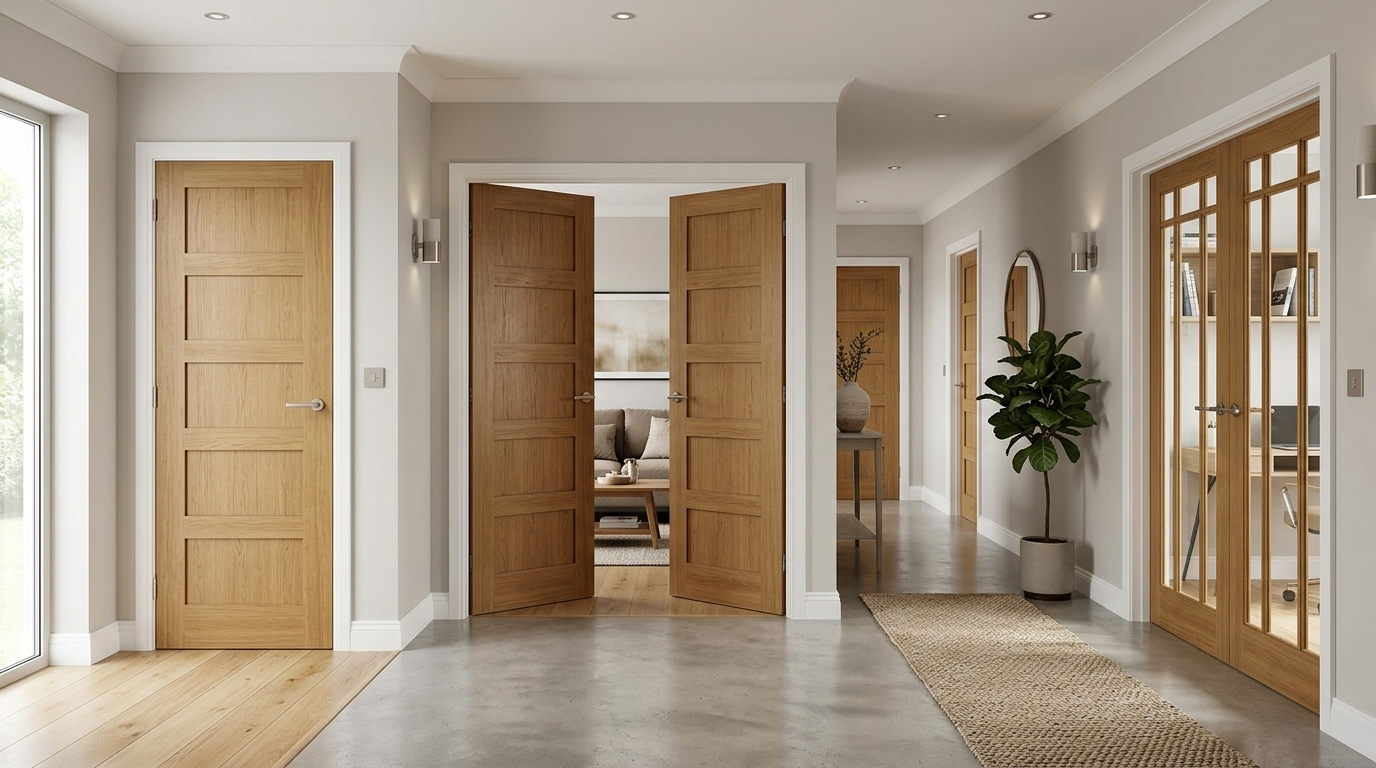
A Room-by-Room Approach to Neutral and Statement Doors
One of the most useful approaches for developers is to decide where neutrality matters and where impact is worth introducing.
In bedrooms, neutral solid doors are often the strongest choice. They support privacy, broad appeal and calm interiors.
In bathrooms, neutral solid doors also tend to work well, particularly when paired with suitable locks and moisture-aware finishing.
In kitchens, glazed or more distinctive doors can be useful, especially where light flow and connection to the rest of the home are important.
In living rooms and dining areas, statement glazed doors can create a sense of occasion and help define the room without fully closing it off.
In hallways, consistency is especially important because multiple doors are seen together. A repeated neutral door can make a hallway feel orderly and polished. A darker or more distinctive door can work too, but it needs the hallway to have enough space and light.
In utility rooms, cupboards and practical areas, a neutral solid door is usually sensible. These rooms often need to be closed off visually, and the door should support the practical function.
For home offices, the choice depends on the location. A glazed door can help the room feel connected and bright, while a solid door can provide privacy and help reduce noise.
This type of room-by-room thinking prevents the door specification from becoming one-size-fits-all.
How can developers add interest without choosing bold doors?
Developers can add interest through ironmongery, glazing, panel detail, timber grain or finish quality. A neutral door with well-chosen handles and a strong surrounding scheme can still feel design-led without becoming too specific.
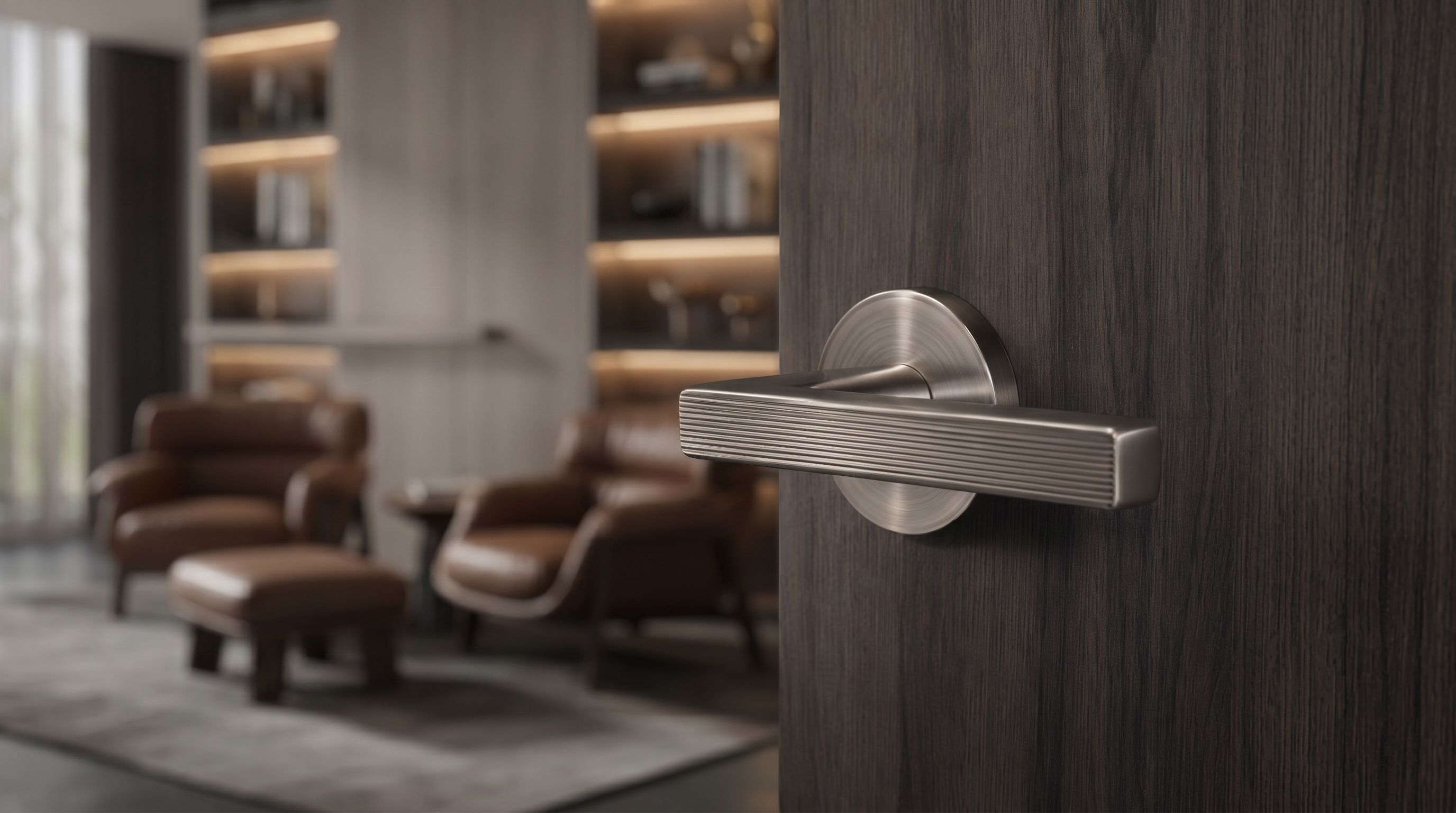
Ironmongery Can Change Everything
Door handles, hinges and hardware can completely change how neutral or statement a door feels.
A simple white door with black handles becomes sharper and more contemporary. An oak door with warm brass hardware feels more characterful. A black door with matching black ironmongery can feel sleek, while chrome or satin nickel can soften the effect.
For developers, ironmongery is a useful way to control the level of impact without changing the entire door specification.
If you want a neutral door range to feel more design-led, upgrade the hardware. If you want statement doors to feel more refined, keep the hardware simple and consistent.
It is also important to choose hardware that suits the practical needs of the property. Bathroom locks, fire door-compatible ironmongery, durable hinges and accessible handles should all be part of the specification process.
Hardware should not feel like a final flourish sprinkled on at the end. It is part of how the door performs and how the property feels in use.
The Hybrid Approach: Usually The Smartest Answer
For many developments, the best solution is not neutral or statement. It is both.
A hybrid approach uses neutral doors as the main foundation, then introduces statement elements in controlled, strategic locations.
For example:
Use neutral solid doors throughout bedrooms and bathrooms, then choose a glazed statement door for the kitchen diner.
Use oak doors across the property, then add black ironmongery for a sharper contemporary edge.
Use white shaker-style doors throughout, then paint one key door or use a glazed version in a main living space.
Use a calm door range, then let hardware, glazing or finish create subtle variation.
This gives developers the best of both worlds: consistency and broad appeal, with enough design interest to make the property feel considered.
It also makes the specification easier to manage. Instead of sourcing multiple unrelated door styles, developers can choose one coordinated range and vary the finish, glazing or hardware where appropriate.
What is the best approach for multi-plot developments?
For multi-plot developments, a consistent neutral door range is often the most practical foundation. Developers can then introduce statement elements in show homes, key living spaces or higher-spec plots where they add value.
Common Mistakes to Avoid
One of the biggest mistakes is choosing a door purely because it looks good in a product image. Doors need to be judged in context, repeated across the property and considered alongside lighting, flooring, hardware and room size.
Another common mistake is using too many different styles. A development can quickly feel fragmented if every room has a different door personality. Variation is useful, but it should feel intentional.
Developers should also avoid overusing dark or heavily styled doors in small spaces. Statement doors need breathing room. Without enough light or balance, they can make compact rooms feel smaller.
It is also risky to choose a statement door before checking availability in all required sizes, finishes and fire-rated options. The design may work beautifully in one location but become difficult to repeat across the project.
Finally, do not underestimate the importance of quality. A neutral door in a good-quality finish will often do more for a development than a dramatic door that feels flimsy or poorly fitted.
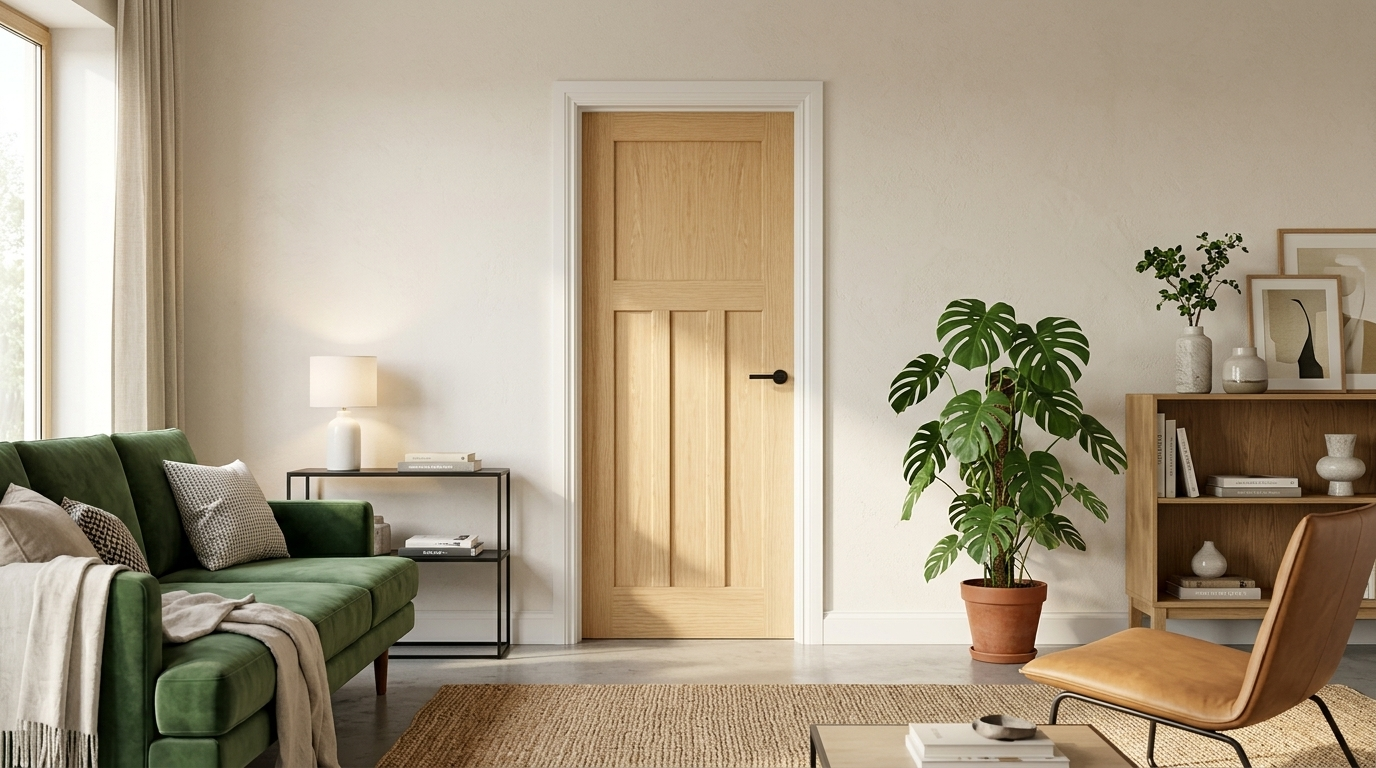
A Practical Decision Framework for Developers
Before choosing between neutral and statement doors, ask:
- – Who is the target buyer or tenant?
- – Is the development broad-market, premium, design-led or rental-focused?
- – How much natural light does the property have?
- – Will the doors be repeated across multiple rooms or plots?
- – Are matching glazed and fire-rated options required?
- – Will the door style still feel relevant in five years?
- – Does the door support the wider palette of flooring, walls and hardware?
- – Is the finish easy to maintain or replace?
- – Where would a statement door genuinely add value?
- – Where would a neutral door be more commercially sensible?
This framework can help move the decision away from personal taste and towards project suitability.
That is especially important for specifiers. A door can be beautiful and still wrong for the scheme. Equally, a neutral door can look over simple on paper but perform brilliantly when repeated across a full development.
So, what works best?
For most developments, neutral doors are the strongest starting point. They provide consistency, flexibility, broad appeal and lower design risk.
But that doesn’t mean statement doors should be totally avoided. Used strategically, they can create memorable interiors, strengthen the design identity and help key spaces feel more premium.
The best approach is usually controlled contrast.
Let neutral doors do the heavy lifting across the majority of the property. Then use statement doors, glazing, finish or ironmongery where they will have the most impact.
For developers and specifiers, the goal is not to choose the loudest door or the safest door. It is to choose the right door for the building, the buyer and the way the finished spaces will be used.
A well-planned internal door specification should feel consistent, practical and commercially intelligent. It should support the property’s design direction without making the scheme feel too personal or too plain.
Neutral or statement, every door should earn its place.